
What Not to Fix When Selling a House (Data-Backed)
9 min read
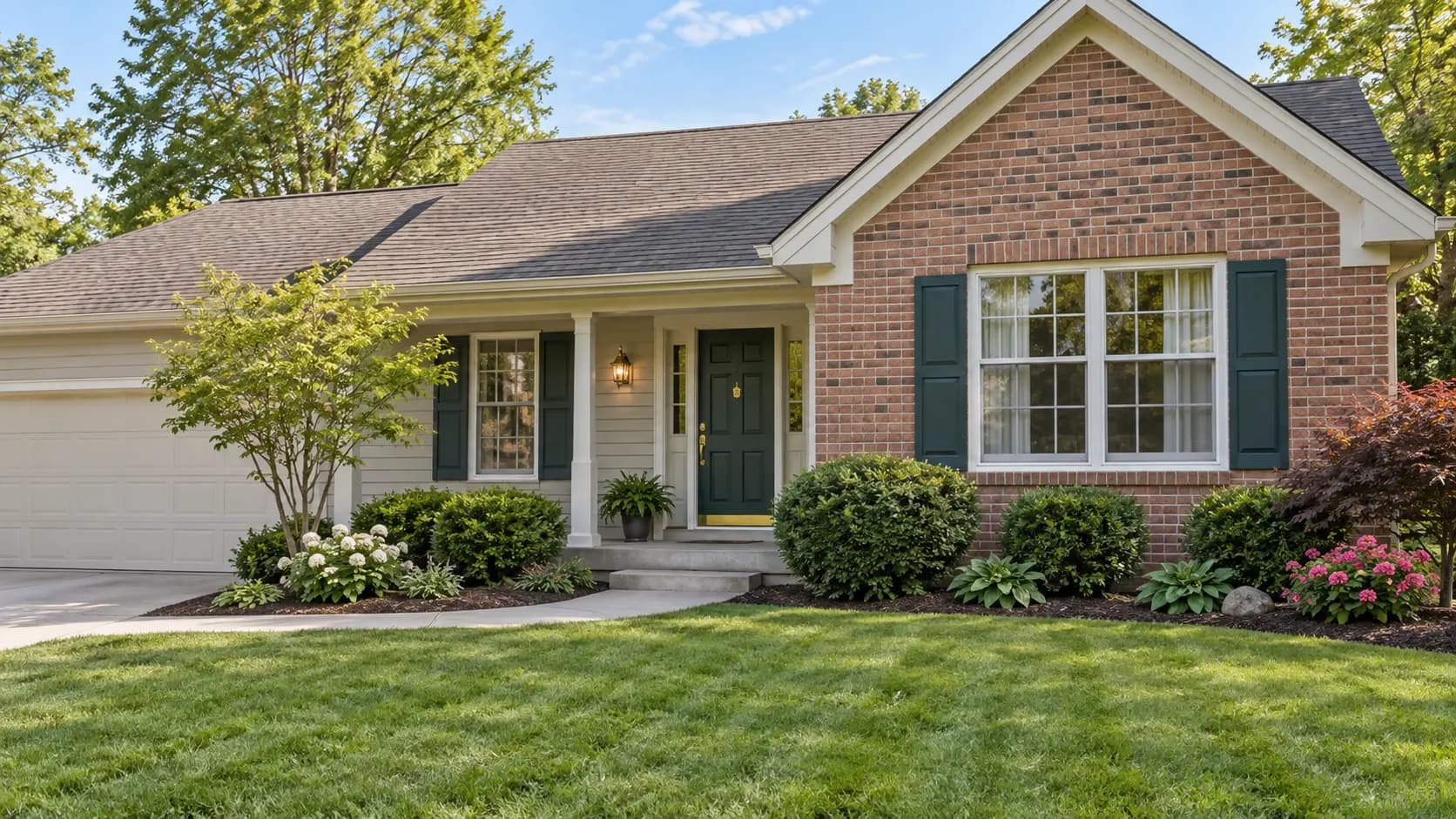
What not to fix when selling a house comes down to major remodels and cosmetic wear, since buyers rarely pay back the full cost of a kitchen renovation, new carpet, or a window swap. You're getting ready to list your house, and every scuff, dated fixture, and worn patch of carpet suddenly feels like a problem you need to solve. The trick is telling the difference between cosmetic wear buyers already expect and functional problems that can stall a sale or worry a lender. We'll walk through where that line sits, using real cost-recoup numbers instead of guesswork.
What repairs should you skip before selling a house?
The repairs safe to skip before selling a house include a full kitchen gut renovation, whole-house window replacement, new carpet throughout, and small cosmetic flaws like a scuffed wall or a light fixture from 2004. These are the repairs that feel productive but quietly drain your proceeds without moving the needle on your sale price.
A midrange kitchen remodel, new wall-to-wall carpet, and a full window swap are expensive, time-consuming projects that buyers rarely reward dollar-for-dollar. Buyers already expect a home for sale to show some wear. A few scuffs on the baseboards or a dated ceiling fan don't scare off most buyers; these get priced into the offer, or the buyer mentally files them under "I'll deal with that later."
The mistake most sellers make is treating every visible flaw as a problem to solve before listing. That instinct comes from a good place, but it's usually backwards. The market doesn't pay you back for perfection: it pays you back for a home that shows well, functions properly, and doesn't raise red flags during inspection. Those are three different things from "looks brand new."
Before booking a contractor, sellers can sort every potential fix into one of two categories: function and safety, or aesthetics and personal taste. Fixes in the function and safety category are usually worth handling before listing. Fixes in the aesthetics and personal taste category are more likely to cost real money without changing what a buyer is willing to pay.
The following sections break down where that line sits for kitchens, bathrooms, as-is listings, and buyer-pool-shrinking upgrades, using real cost-recoup numbers instead of guesswork.
Why don't major kitchen and bathroom remodels pay off at resale?
Major kitchen and bathroom remodels typically don't pay off at resale because buyers pay for a home's condition and location, not for the specific finishes a seller chooses right before listing. The numbers make the gap clear.
As a rule of thumb, a midrange kitchen remodel runs about $82,800 on average and recoups roughly 51% of that at resale. That means a homeowner who spends nearly $83,000 on new cabinets, countertops, and appliances right before listing can expect to recover around $42,000 in added sale price. The other $40,000-plus is a loss.
Bathrooms fare a little better, but still don't fully pay for themselves. As a rule of thumb, a midrange bathroom remodel costs about $26,100 and recovers around 80% of that investment. Better odds, sure, but on average, still a loss on paper.
Here's why this happens, and it's worth understanding rather than just accepting: buyers pay for a home's condition and location, not for a seller's specific taste in subway tile or quartz versus granite. When you remodel right before selling, you're making decisions for someone else's life: someone who may have hated your cabinet color choice enough to want their own anyway. The buyer typically isn't going to pay a premium equal to your receipts. They're going to pay what the market says an updated kitchen is worth in that neighborhood, which is almost never the full cost of the renovation.
The exception is real, and it matters: if the kitchen or bathroom is genuinely non-functional (a bathroom with no working shower, a kitchen missing basic appliances, cabinetry falling off the wall), that's a different calculation. Buyers and appraisers alike tend to treat that as a habitability issue, not a style preference, and it can lower your sale price far more than a remodel would cost. But "outdated" and "non-functional" are not the same thing, and confusing them is exactly how sellers end up overspending before a sale.
Does selling a house as-is mean you can skip every repair?
No. Selling a house as-is vs fixing it up is not an all-or-nothing choice, and an as-is listing does not take you off the hook for every repair or disclosure. This is one of the more persistent myths in real estate, and it costs sellers money every year.
What "as-is" actually communicates to the market is that you're not planning to negotiate repairs after inspection or make fixes based on buyer requests. It does not mean you can hide a leaking roof, a cracked foundation, or a failing HVAC (heating, ventilation, and air conditioning) system and call it someone else's problem. Disclosure requirements vary by state, so it's worth consulting local law and a real estate attorney to understand what you must disclose to buyers.
Beyond the legal exposure, there's a practical cost too. As-is listings, especially ones where buyers can tell something's being hidden or ignored, tend to draw lower offers and slower interest. Buyers assume the worst when a listing feels evasive, and their agents often price in a bigger cushion for the unknown than the actual repair would have cost.
So the smarter approach isn't "as-is means no work." It's this:
- Disclose everything you know about, whether or not you plan to fix it.
- Get a pre-listing inspection if you're unsure what condition your systems and structure are actually in.
- Reserve "as-is" for genuine cosmetic or non-critical issues, not as a shield for major, known defects.
Used correctly, an as-is listing can still attract serious buyers, particularly investors or renovation-minded purchasers. Used as a way to avoid disclosure, it tends to backfire in the form of lower offers, longer time on market, or legal headaches down the line.
Which upgrades shrink your buyer pool instead of growing it?
Upgrades like bold tile, elaborate landscaping, high-end appliances, swimming pools, and solar panels can shrink your buyer pool because they reflect a seller's personal taste rather than broad market appeal. Some upgrades don't just fail to pay for themselves: they actively work against you by narrowing who wants the house in the first place. The common thread: these are all highly personal or highly specific choices dressed up as improvements.
Bold tile and statement lighting
That patterned backsplash or oversized designer pendant might look striking in a magazine spread, but resale is a game of broad appeal, not personal expression. Distinctive design choices tend to poll well with a small slice of buyers and poorly with everyone else, which is the opposite of what you want when you're trying to maximize offers.
Elaborate landscaping
A meticulously designed garden with rare plantings, water features, or intricate hardscaping is a maintenance commitment as much as it's a visual one. Buyers see upkeep, not value. A clean, simple, well-maintained yard reads as "easy to live with," while an elaborate one reads as "expensive to maintain."
High-end appliance upgrades
Professional-grade ranges and built-in espresso machines are appealing, but buyers rarely pay a premium equal to what these appliances cost new. Most buyers care that appliances work and look reasonably current, not that they're restaurant-grade.
Swimming pools
A pool is a six-figure amenity in some markets and a liability in others, particularly in regions where pools are uncommon or where the climate doesn't justify year-round use. Depending on your market, a pool can shrink your buyer pool rather than expand it, since some buyers actively avoid homes with pools due to maintenance costs and safety concerns with kids or pets.
Solar panel installations
Solar can be a genuinely good long-term investment for a homeowner who's staying put. Installed right before a sale, though, it's a costly gamble: buyers value solar differently depending on financing structure, panel ownership versus lease terms, and regional utility rates, and the return is far from guaranteed to match the installation cost.
The pattern across all five: these are upgrades that reflect the seller's taste, lifestyle, or long-term thinking, not the broad, neutral appeal that helps a home sell quickly and at a strong price.
What should you never skip fixing, even to save money?
Never skip fixing safety, habitability, or structural issues, even to save money, because they can stall a sale or block financing entirely. Some issues are non-negotiable, regardless of your timeline or budget.
Here's what stays firmly in the "must fix" category:
- Electrical hazards - outdated wiring, exposed connections, overloaded panels, or anything an inspector would flag as a fire risk.
- Plumbing leaks - active leaks, water damage, or failing pipes, especially anything contributing to mold or structural damage.
- Roof problems - active leaks or significant damage that would show up on inspection and concern a lender's appraiser.
- HVAC failures - a non-functioning heating or cooling system, particularly in climates where that's considered essential.
- Structural or foundation issues - cracks, settling, or anything that suggests instability.
- Safety code violations - missing handrails, broken smoke detectors, or anything a local inspection would catch.
The reasoning is simple: these problems don't just lower your sale price if left alone. They can stall or kill a deal entirely. Buyers with financing typically need the home to pass an appraisal and inspection, and lenders typically won't fund a purchase on a home with major safety or structural red flags. Uncertainty makes buyers nervous, and nervous buyers ask for a bigger cushion when negotiating repairs or price.
Think of it this way: cosmetic issues cost you a little at the negotiating table. Safety and habitability issues cost you the sale, the buyer, or thousands in eleventh-hour concessions. That's the real dividing line: not "expensive versus cheap," but whether the issue affects whether the house is livable and safe versus whether it matches someone's taste.
How does demand for move-in-ready homes affect what to fix?
Rising demand for move-in-ready homes has raised the bar for what buyers consider acceptable cosmetic wear, though it typically hasn't changed the poor return on investment (ROI) math on major remodels. It's worth understanding the market forces behind that shift rather than treating this as static advice.
Buyer appetite for fixer-uppers has cooled noticeably. According to reporting from Axios, homes needing renovation in markets including Des Moines, San Francisco, and Houston have been selling more slowly and for less money compared to move-in-ready listings.
A few forces are driving this:
- Financing costs matter more than they used to. Buyers are less willing to take on a mortgage payment and simultaneously fund a renovation when borrowing is expensive. The math on "I'll fix it later" is harder to justify when every renovation dollar is also financed at a higher rate.
- Contractor availability and costs remain unpredictable. Buyers who might once have shrugged off a dated kitchen now factor in the hassle and expense of finding reliable contractors, which can make "move-in-ready" feel like a premium worth paying for rather than a nice-to-have.
- Time and effort have real value to today's buyer. Many buyers, particularly those juggling remote work or family schedules, simply don't want a renovation project alongside a move.
Here's where this actually changes your fix-or-skip decisions: it doesn't mean you should suddenly remodel the kitchen. The ROI math on major renovations hasn't changed as a rule of thumb: a $82,800 kitchen remodel still only recoups about 51%. What it does mean is that the baseline threshold for "move-in ready enough" has risen. Buyers are more sensitive to the difference between a home that needs cosmetic updates they can handle over time and a home that needs functional work they'd have to tackle immediately.
That's precisely why the safety and habitability repairs from the previous section matter more now, not less. It's also why cosmetic wear, the scuffs, the dated fixtures, the not-quite-current paint color, still doesn't need fixing. The market has gotten pickier about function, not about finish.
Consulting a local real estate agent or appraiser can help you see how your home's condition and local market data stack up before you commit to any repair, giving you a data-informed starting point rather than a guess about where your house lands on that spectrum. In that same spirit, a data-driven valuation like the free report from Kelley Blue Book Homes can show you where your home currently sits before you spend a dollar deciding what to fix. Knowing that upfront is what actually tells you whether a given repair is worth your money: not a general rule of thumb, but a clear read on your specific home in your specific market.
How Kelley Blue Book Homes can help
Deciding what not to fix only works if you know what your home is worth in its current condition, scuffs, dated fixtures, and all. Otherwise you're guessing at a number and guessing at which repairs matter, which is exactly the combination that leads sellers to overspend.
Kelley Blue Book Homes brings the independent pricing authority Kelley Blue Book built over nearly a century to residential real estate. Its free home valuation report is engineered to land within 3% of the final sale price, built on neighborhood-level data that accounts for your specific renovations, micro-market trends, and seasonal timing rather than broad metro averages.
You can get a customized and independent home estimate quickly, and turn that initial estimate into a strategy with the support of a verified local expert from Kelley Blue Book Homes. Get your free home value report at KelleyBlueBookHomes.com.
Keep reading

What Home Inspectors Look For (and What It Means for Your Price)
What home inspectors look for, from foundation to HVAC, plus common problems, typical repair costs, and whether new homes need inspections too.

How Does Curb Appeal Impact Home Prices?
First impressions matter. That's true for dinner parties, job interviews, and first dates. But it's also true for selling a home.

How to Price a Home For Sale
Whether you're a seller or a real estate professional, a smart home pricing strategy is essential to getting someone to buy your home.