
What Is the Best Time to Sell a House?
9 min read
The short answer
Across the country, closed home sales peak between May and July, according to the National Association of Realtors Existing-Home Sales series, 2025. Local weather, school calendars and the number of homes for sale near you can move that window by several weeks in either direction. Your list price and your own deadline will do more for your final number than the month you choose.
Ask a neighbor about the best time to sell a house and you'll probably hear "spring," and on a national basis that answer holds up. Closed home sales run at their yearly high from late spring into early summer, according to the National Association of Realtors Existing-Home Sales series, 2025, and sellers who list a few weeks ahead of that peak meet buyers before the bulk of the competing listings show up.
The calendar is only one input, though. Plenty of homeowners sell on a schedule somebody else set, and when that happens the month on the listing matters less than the price on it, the number of similar homes around it and the reason you're moving in the first place. A correctly priced house in a slow month will usually do better than an overpriced one in May.
We'll cover the month-by-month pattern, why your own neighborhood can overrule the national average, and how to decide whether your house is worth more listed now or listed after a better season arrives.
What Is the Best Month to Sell a House?
In most U.S. markets, May, June and July carry the heaviest buyer demand of the year. Existing-home sales reach their seasonal high in that window, according to the National Association of Realtors Existing-Home Sales series, 2025, which publishes both raw and seasonally adjusted sales figures each month so readers can see the pattern for themselves. If you list a few weeks ahead of the peak, in late April or early May, you meet buyers who have already been looking for a while and have their financing lined up.
Over a full year, the pattern most sellers see looks like this.
| Window | What buyer demand looks like | What it means for you |
|---|---|---|
| January to March | Thin but serious. Fewer showings, fewer competing listings. | Good for a clean, well-priced house. Slower for anything needing work. |
| April to June | Highest traffic of the year. Multiple-offer situations most common. | The strongest stretch to be listed in most markets. |
| July to August | Demand still solid, then cooling as families settle before school. | Price sharply. Late August listings can go stale. |
| September to October | A real second wave. Fewer buyers, but motivated ones. | A workable window if spring did not fit your plans. |
| November to December | Lowest showing volume. Holiday and weather friction. | Buyers who look now usually have a deadline. |
Treat the table as a starting point. A house in Phoenix and a house in Minneapolis don't share a calendar, and the section on your neighborhood below explains why the local picture can look so different from the national one.
Why Late Spring Draws the Most Buyers
Three forces line up at the same time every year, and together they explain most of the spring surge.
- Families with children want to be settled before the school year starts, so their shopping lands in spring and their closings land in summer.
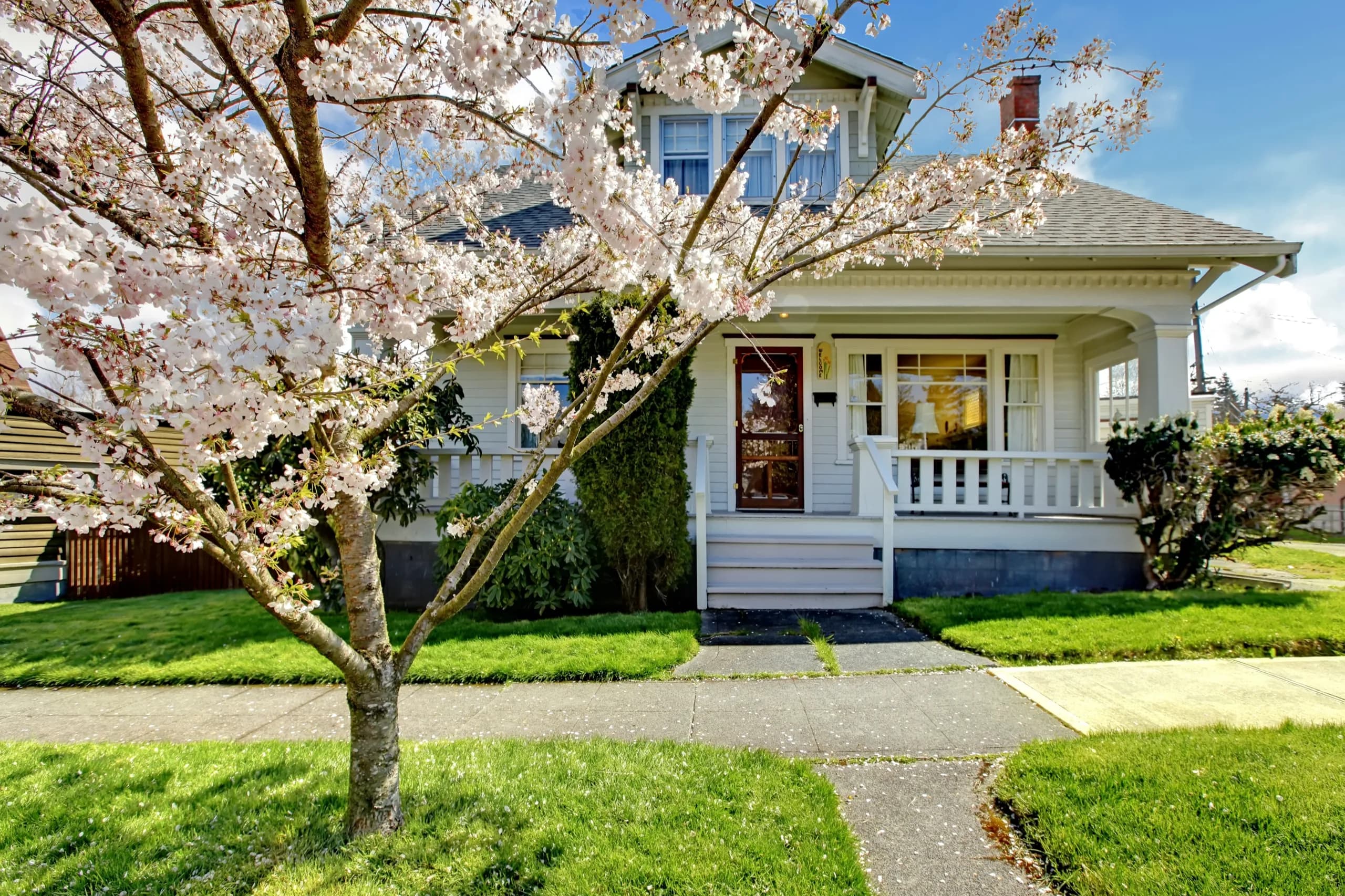
- Longer evenings mean more showings after work, and your yard, your roofline and your landscaping all look their best. Curb appeal does real work on a buyer's first impression, and spring is when it has the most to work with.
- Plenty of sellers wait until the yard greens up before they list, so if you go to market a few weeks before that crowd, you compete against fewer similar homes for the same buyers.
Keep in mind that peak demand and peak supply arrive on different dates. Being a few weeks early to the season is often worth more than being in the middle of it, because you get the buyers without the full crowd of competing listings.
How Your Neighborhood Shifts the Calendar
The national average blends a Sun Belt market with a snow-belt suburb, and the two don't run on the same calendar. So the best window for your street can sit several weeks away from the national number, and it usually does.
Inventory nearby also matters more than the region does. Three similar houses listed within a few blocks of yours in the same month will do more to your sale price than the calendar ever will, so the useful question is what's happening around your own address right now. A free Kelley Blue Book Homes valuation report is built to answer that question. It pulls real comps from your neighborhood, lays out local pricing trends and neighborhood market signals, and shows how buyer demand and recent sales could affect your timing and pricing.
Look at what recently sold near you and how long each one took before you settle on a month. Your home is not the metro average, and pricing it off a metro-wide trend line is how sellers end up chasing the market down.
How Much Timing Changes Your Sale Price
Timing changes your sale price less than pricing does. Season shifts how many buyers see the house and how much urgency they feel when they do, but your list price decides whether those buyers ever walk through the door. On a $600,000 home, a few percent either way in where you set that price is real money, and the gap is the same size in January as it is in June.
The Kelley Blue Book Homes free valuation report is designed to land within 3% of the final sale price, and it accounts for condition, upgrades, layout, remodels and real neighborhood comps. Once you know your number, choosing the best time to sell a house becomes a scheduling decision instead of a guess.
Selling Outside Peak Season
When you're selling because something in your life changed, the market doesn't get to pick your month. You can still sell well in any season, and four adjustments do most of the work.
- Price to the season you're in. A February list price and a May list price for the same house are not always the same number, and your agent should be able to show you the evidence behind the difference.
- Fix the first impression. Off-season photos need some help. Interior lighting, a cleared entry and a little seasonal curb appeal do more for a listing in January than they do in June.
- Widen your showing hours. When fewer buyers are looking, every one of them counts, so say yes to the Tuesday afternoon request.
- Know your fallback number. In select markets, Kelley Blue Book Homes can connect you to a cash offer, which gives you a second figure to weigh against your probable sale price when a closing date on the next house is setting your timeline.
When a Life Event Sets the Date
Most people who sell on a deadline are selling because something else in their life changed first, and that clock usually wins the argument over the best time to sell a house on paper. Each situation runs on its own timeline.
- If you're retiring or downsizing, you have the most flexibility of anyone on this list, so take a spring listing if your timeline allows one. If the alternative is carrying two properties, sell sooner.
- If you're settling an estate, the probate timeline sets your start date. A vacant home costs money every month in taxes, insurance and upkeep, so a slower season often beats waiting for a better one.
- In a divorce, both parties need one agreed number they trust before any conversation about the calendar makes sense.
- If you're relocating, a job start date or a family need sets the deadline, and you work backward from the closing date you have to hit.
None of these are reasons to accept less than the house is worth. They are reasons to get the number early, so that the timing decision stays yours.
How to Decide When to List Your House
Work through these five questions in order, and the month will be a lot easier to pick.
- What is my house actually worth today? Get a valuation that accounts for your condition and upgrades before you do anything else.
- What has sold near me recently, and how long did it take? Those sales are your real local season.
- How many similar homes are listed right now? Competition on your street outweighs the month on the calendar.
- What is my hard deadline? That might be a closing date, a lease, a court date or a move-in date at a new community.
- What happens if the sale takes longer than I expect? If the answer makes you uncomfortable, list earlier and price tighter.
Once you've answered those five, the right month is usually obvious. Skip them and you're guessing with the largest asset you own.
How Kelley Blue Book Homes can help
Every timing decision in this guide starts with knowing what your house is worth, and Kelley Blue Book Homes gives you that number free, in minutes, with no obligation. The report is built on appraisal-grade methodology and designed to land within 3% of your final sale price. It factors in your condition, upgrades, layout and remodels along with real comps from your neighborhood, local pricing trends and the market signals that affect your timing. More than 500,000 homes and over $275 billion in property have been valued. The report is not a lender appraisal and cannot be used for mortgage or lending transactions.
Every report also comes with a connection to a vetted local Kelley Blue Book Homes agent who can use the same information to help you choose a pricing and selling strategy. That means the first conversation starts on strategy, including the best time to sell a house in your specific market. Enter your address and get your free report.
Key Points to Remember
- Late spring and early summer carry the heaviest buyer demand nationally, and existing-home sales peak in that window according to the National Association of Realtors Existing-Home Sales series, 2025.
- Listing a few weeks before the spring crowd lets you meet peak demand before peak competition arrives.
- Inventory and recent sales in your own neighborhood can move your best window weeks away from the national calendar.
- A life event usually sets the date, and knowing your number early keeps the timing decision yours.
- Your list price moves your outcome more than the month does, which is why a valuation designed to land within 3% of final sale price comes first.
Frequently asked questions
What is the best month to sell a house?
In most U.S. markets, buyer demand is heaviest in May, June and July, and existing-home sales reach their seasonal high in that stretch according to the National Association of Realtors Existing-Home Sales series, 2025. Many sellers do best by listing in late April or early May, which puts the house in front of those buyers before the largest wave of competing sellers arrives.
What is the worst month to sell a house?
December is typically the slowest month in most markets, because showings have to compete with holidays, travel and short days. Existing-home sales usually bottom out in winter before recovering in spring, according to the National Association of Realtors Existing-Home Sales series, 2025. Winter buyers are fewer, but they tend to be working against a deadline, so a correctly priced home can still sell.
Is it better to sell in a slow season or wait for spring?
It depends on what waiting costs you. If the home is vacant, several months of taxes, insurance and upkeep can add up to more than the seasonal price advantage you were waiting for. If you have flexibility and no carrying costs to worry about, a spring listing usually brings more buyers. Compare the two with a current valuation before you decide.
Does the time of year matter more than the asking price?
No. Season affects how many buyers see a home and how urgently they act, while the list price decides whether those buyers tour it at all. Get the price right first, using real comps from your own neighborhood, and then pick the month.
How long does it take to sell a house once it is listed?
It varies by market, price point and season, and the time from listing to closing includes the buyer's financing and inspection period after an offer is accepted. A free Kelley Blue Book Homes valuation report shows recent sales near your address and the market signals that affect your timing, which tells you more than any national figure can.